The Things We Don’t Own
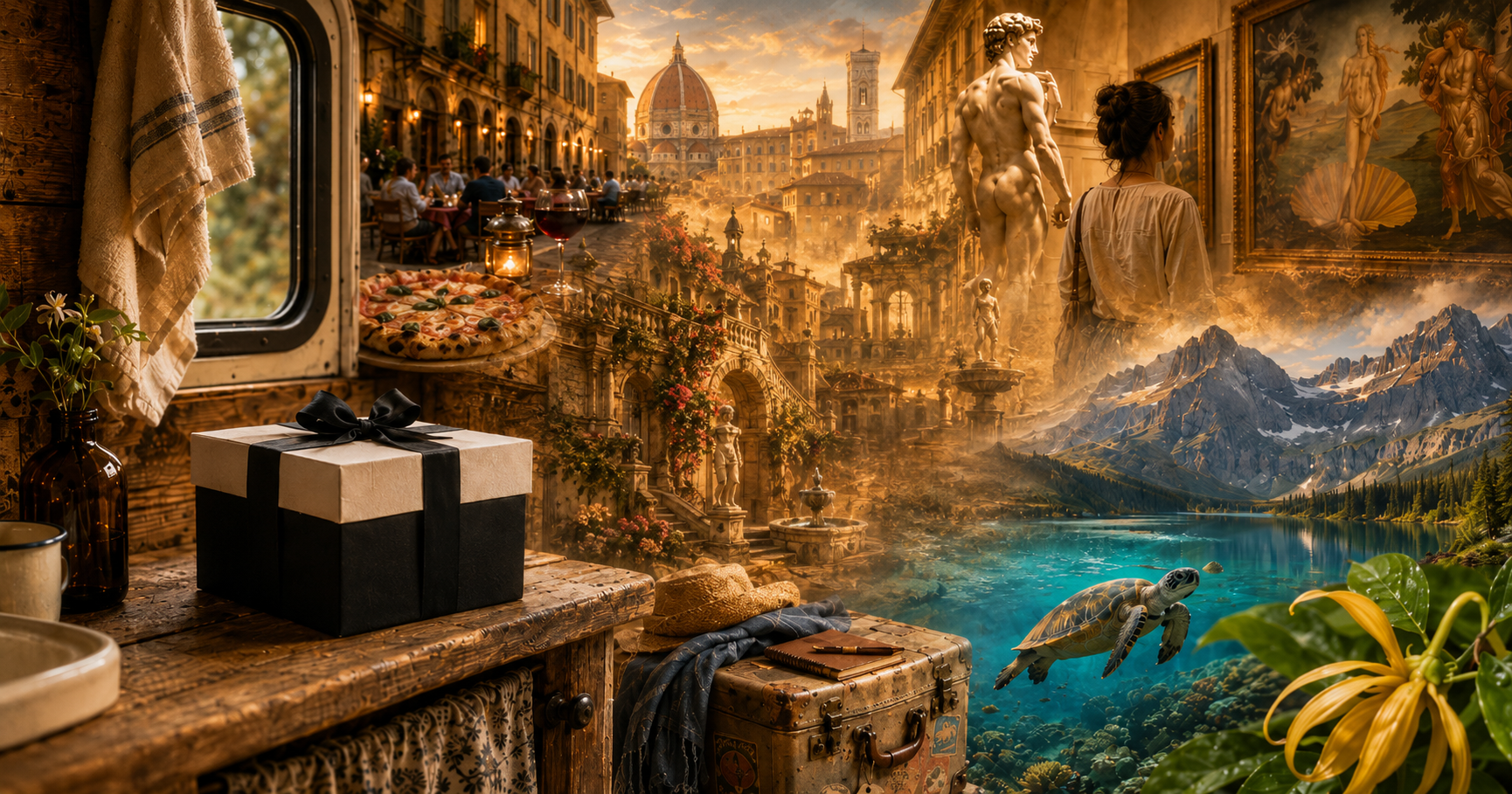
There is a Chanel box sitting behind the toilet at our summer camp.
This is not quite as glamorous as it sounds.
Ally and I are not really Chanel people. We do not buy designer perfume or spend much time browsing luxury boutiques. The box came from a client who was redecorating and preparing to throw it away. She thought it might make attractive storage for our bathroom, and she was right. It now holds the sort of miscellaneous things people keep behind a toilet—which is probably not the future Coco Chanel envisioned for it.
Its presence is made slightly more absurd by its surroundings. Our summer home is deliberately simple. We live at our summer camp, surrounded by trees, campfires and neighbours who know one another’s dogs. It is comfortable and happy, but nobody would mistake it for a suite at the Ritz.
And yet there it sits: a little black-and-white emblem of Parisian luxury, quietly storing bathroom supplies.
The box recently got me thinking about the things we own, the things we do not own, and the life Ally and I have chosen to build instead. Someone I know was once described as a person who “likes nice things.” My immediate reaction was: Of course they like nice things. They’re nice.
Nice Things and a Broader Life
Most of us like beautiful, comfortable and well-made things. There is nothing especially virtuous about preferring an uncomfortable chair, an unreliable car or an appliance that fails at the worst possible time. I am not immune to expensive objects myself. I own a fairly sophisticated smartwatch. I bought it because it helps me monitor my health and can serve as a safety tool when I am scuba diving. It supports things that matter to me.
That, perhaps, is the distinction. The possessions I value most are not substitutes for living. They help me live.
Nor is there one correct way to arrange a good life. We have family members who, partly because of health limitations, cannot realistically roam the world. They have instead invested their time, money and imagination into making their lakefront home a sanctuary. It is beautiful, peaceful and genuinely welcoming. When we visit, we understand immediately why it matters so much to them. They have not chosen possessions instead of life. They have created a place in which life can unfold.
For the time being, we have been blessed with good health and somewhat flexible schedules. We know neither is guaranteed to last forever. While we have them, our choice has been to forgo some of the conventional symbols of luxury so that we can gain greater access to the world beyond our door.
The Things That Take Us Somewhere
I love my Honda. It is comfortable, dependable and takes us wherever we need to go. The only Mercedes I have ever driven was a rented station wagon we picked up in Civitavecchia after a cruise. We loaded our luggage into it and drove north through Florence and Parma on our way to Venice.
I remember the drive. I remember the cities. I remember the food, the landscape and the slightly nerve-racking experience of navigating unfamiliar Italian roads. I barely remember the Mercedes. It did exactly what a good car should do: it took us somewhere extraordinary.
There is no Wolf range in our kitchen, but I have eaten pizza pulled from a wood-fired oven in Florence. The crust was blistered and slightly charred, and the meal was inseparable from the city around it - the voices, the old stone, the streets and the knowledge that the Renaissance had unfolded within walking distance of our table.
I may never own a suit made by an important Italian designer. But I have had tea at a café across from the Uffizi Gallery after standing in awe before some of the great masterpieces of the Renaissance.
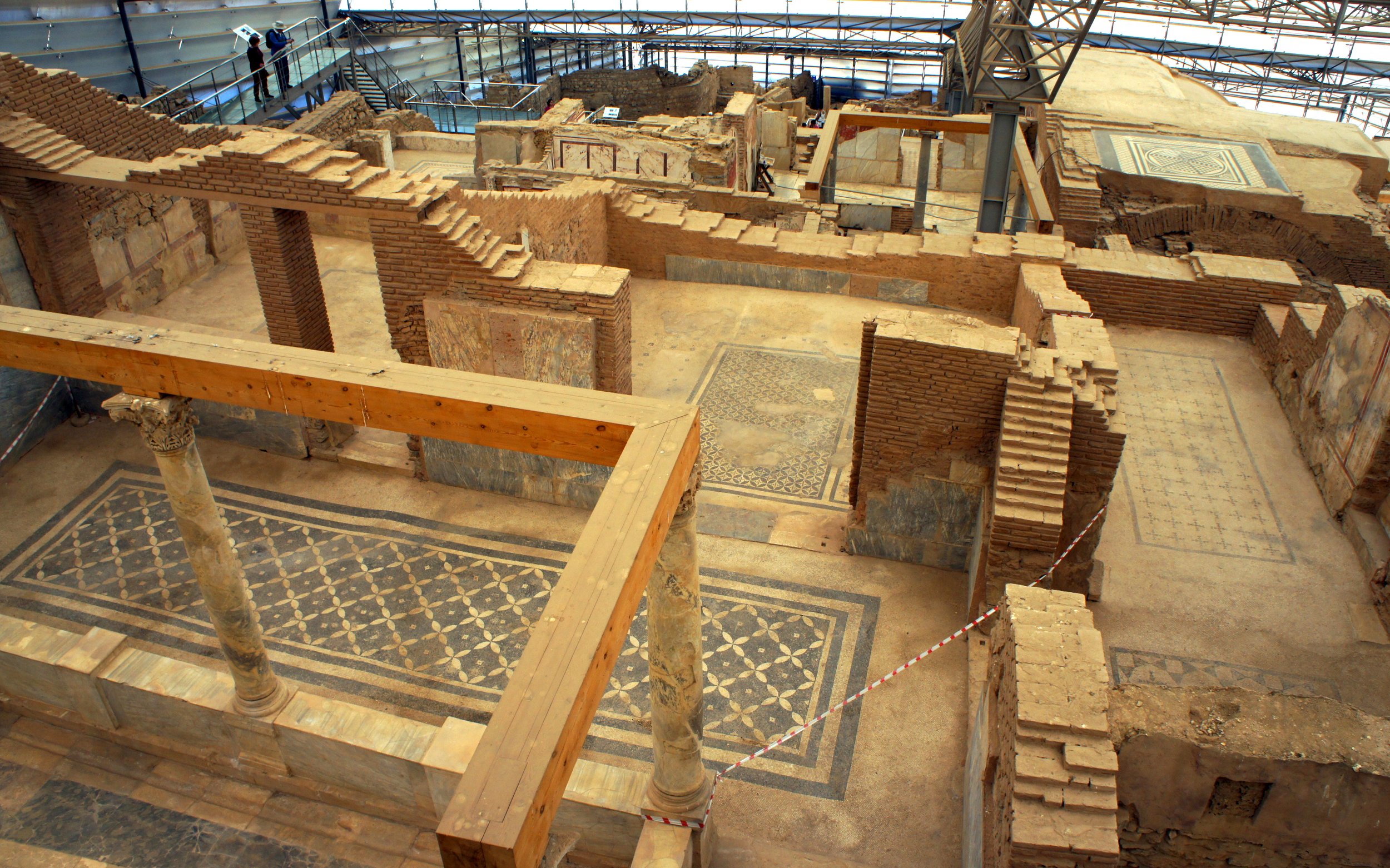
I may not live in a mansion, but I have walked through the nearly 2,000-year-old homes of some of Ephesus’s wealthiest residents.
We do not own an expensive landscape painting, but I have stood at Logan Pass in Glacier National Park and looked out over mountains no painter could fit inside a frame.
I have stood beside Lake Louise when the water appeared almost impossibly blue. I have travelled through Banff and Jasper, where the scenery has a way of making human concerns feel temporarily smaller. No television has enough pixels for that.
Ally may not own a sapphire necklace, but together we have seen lakes and seas produce shades of blue that no jeweller could set in gold.
She does not own coral jewellery either. But I have drifted six inches above a living reef while a sea turtle calmly ate its breakfast.
That image remains lodged in my mind: being suspended almost weightlessly in warm Caribbean water, trying not to disturb anything, while the turtle nibbled away with complete indifference to my presence. It was not performing for me. It was simply living its life, and for a few minutes I was allowed to hover nearby and watch.
No piece of coral displayed on a shelf could contain that experience.
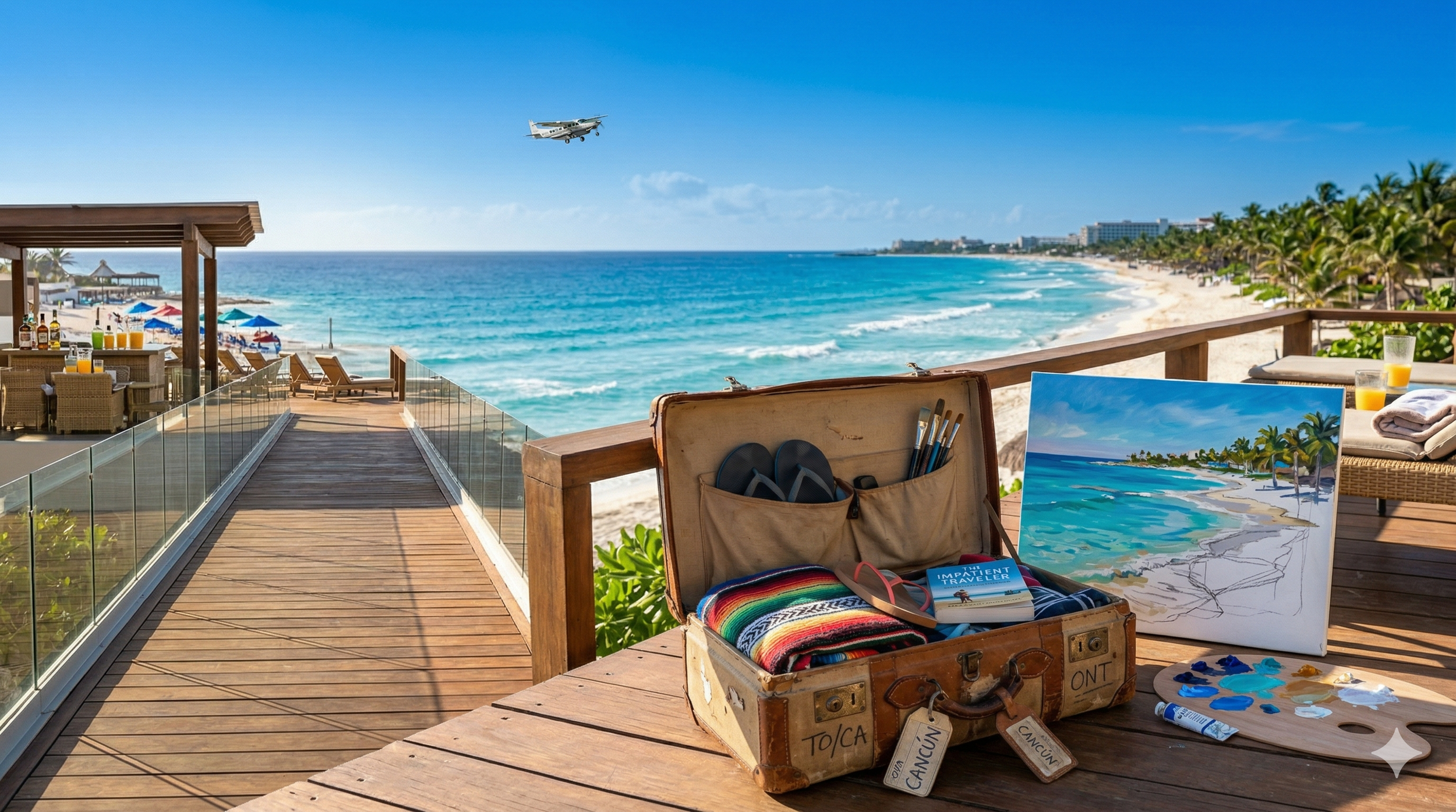
Our luggage does not bear a famous monogram. No Louis Vuitton for me—my suitcase says “Air Canada” on the front and came in a Costco luggage set. It may not be elite, but it has carried our clothes through Israel, Italy, Greece, Turkey, Mexico and a string of Caribbean islands.
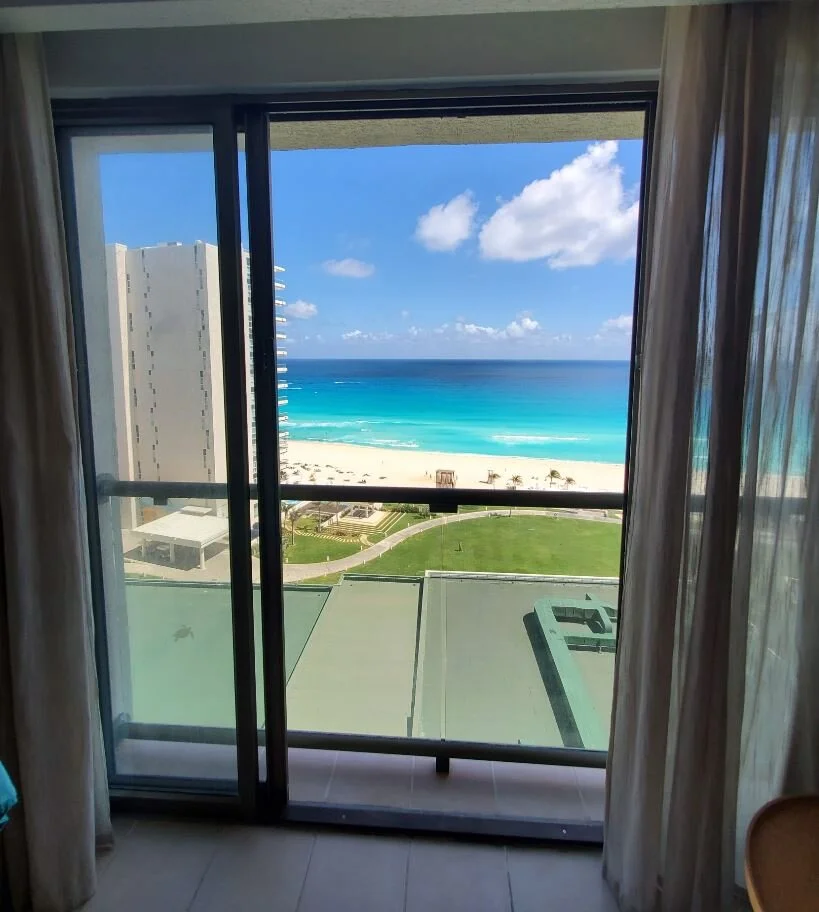
We have spent a month in Israel on two separate occasions. We have lived in Mexico for six months at a time, long enough for it to stop feeling like a holiday destination and begin feeling like another version of home. We have watched islands in the Lesser Antilles rise from the sea as our ship approached them. We have walked through ancient places whose names I had known long before I understood that they belonged to real hills, roads, heat, dust and light.
I do not say any of this to boast. Travel can become another form of conspicuous consumption if all we do is count countries, collect photographs and rush from one landmark to the next. A passport can become as much a status symbol as a handbag. The value is not in being able to say that we have been somewhere. It is in what being there has done to us.
Travel has made the world less abstract. It has taught us that the people who live far away are not supporting characters in our story. They have their own routines, humour, worries, loyalties and ways of seeing things. It has reminded us repeatedly that our way of living is neither the only way nor necessarily the best one.
And over time, the destinations themselves have become only part of what travel has given us. The greater gift has often been the people.
Friends Ask When You’re Coming Back
I may never have ten thousand followers on Instagram. But I have genuine friends scattered around the world - people who have not merely clicked a heart beneath one of my photographs, but have opened their homes and invited Ally and me into their lives.
A friend has invited us to stay at her family home in Portugal. In Saint Vincent, another friend offered us the basement apartment in her beautiful coastal home. The invitation was so generous, and the setting so tempting, that for a moment we could imagine simply moving in. On the other side of the world, we have a standing invitation to visit Australia and stay as long as we wish.
The remarkable thing is not that these homes are in beautiful places. It is that there are people inside them who would be happy to see us arrive.
The modern world gives us endless ways to count attention: followers, likes, views and impressions. I have no objection to any of them. Some online relationships become genuine friendships, and a large audience can be used to accomplish meaningful things. But there is another form of wealth that is harder to measure. It is a friend thousands of miles away saying, sincerely, “Come and stay with us.”
Followers can see where you have been.
Friends ask when you are coming back.
Those relationships cannot be parked in a driveway, hung in a closet or placed in a display cabinet. They cannot be polished, insured or traded in for a newer model. But they may be among the most valuable things that travel has given us.
So the Chanel box remains behind the toilet at our modest summer camp, holding whatever odds and ends need holding. We do not keep Chanel No. 5 in the medicine cabinet. But in the botanical gardens of Saint Vincent, we stood beneath a ylang-ylang tree and breathed in the fragrance of one of the flowers used to create it. More importantly, somewhere on that island is a friend who once invited us to stay.
I am not against beautiful possessions. I like nice things too. They’re nice.
But for this season of our lives, Ally and I have chosen to own a little less so that we can experience a little more. We may not possess many of the familiar symbols of a remarkable life. But we have been to remarkable places.
We have stood in front of the paintings, driven the roads, tasted the food, floated over the reefs and watched the mountains change with the light.
And along the way, we have found people we know and have grown to love.
I think we got the better part of the bargain.